Training
Rob
Your first powerlifting meet will go better than you think. It will also feel more chaotic than you expect. The lifting part is the easy part. The logistics — what to bring, what to wear, what's actually allowed — trip up more first-timers than the weights do.
Here's a straight answer to the gear question, without the affiliate links or the brand opinions.
What's Actually Required
Nothing exotic. For most raw divisions in the major federations — USPA, USAPL, IPF, RPS — the mandatory equipment is:
A singlet. It has to be a powerlifting singlet, not a wrestling singlet or a compression suit. They look similar but judges know the difference.
A t-shirt under the singlet for squat and deadlift. For bench, the shirt must fit — no loose fabric that creates a hammock effect off the chest.
Knee-high socks for deadlift. The bar travels up your shins. Socks protect your legs and protect the bar from blood. Most federations require them.
Appropriate footwear. Heeled shoes for squat, flat shoes or deadlift slippers for pull. You can wear the same shoe for all three, but most people don't.
That's it. Everything else is optional.
Chalk
If your gym allows chalk, you've already been using it. At a meet, it's almost universally permitted and usually provided at the chalk bucket near the platform. Bring your own block anyway — meet chalk gets gross by the afternoon session.
Chalk on hands for bench and deadlift. Chalk on your upper back for squat if the bar tends to move on you. That's the whole conversation.
Liquid chalk is legal in most federations and easier to travel with. If you're flying to a meet, that's your answer.
Belts
A belt can help. It's not magic, and it won't save a lift your technique can't finish. What it does is give you something to brace against, which for most people allows them to generate more intra-abdominal pressure and feel more stable under a heavy squat or deadlift.
If you train with a belt, wear it at the meet. If you don't train with a belt, don't debut one at the meet.
Federation rules on belt width and thickness vary. USAPL/IPF is stricter — single-prong or double-prong, 10cm max width, no lever belts. USPA allows lever belts. Check your federation's rulebook before you buy one if you care about this.
For your first meet: if you own a belt and use it in training, bring it. If you don't own one, don't stress. You can compete raw without one.
Knee Sleeves
Knee sleeves provide warmth and compression. They help some people feel more stable in the squat and can reduce soreness after heavy sets. They are not knee wraps — those are a different division with different rules.
If you train in knee sleeves, wear them. If you don't, you're not missing a competitive advantage at the first meet level.
One practical note: knee sleeves that have been worn for a while get harder to put on. At a meet, you may be warming up in a crowded back room with no bench to sit on. Practice getting your sleeves on quickly while standing. This sounds ridiculous until you're at your first meet and watching someone else struggle with theirs while flights are being called.
Wrist Wraps
Useful for bench, optional for squat. If you have wrist discomfort during pressing, wraps can help. Keep them loose enough that you can get them on and off quickly between attempts — you'll need to adjust between squat and bench anyway.
What Not to Bring for Your First Meet
A new belt you bought last week. Your body doesn't know how to use it yet.
Lifting shoes you've never trained in. Break them in first.
Knee wraps if you've been training in sleeves. Different movement pattern. Different meet division.
More gear than you can manage alone. You may not have a handler. Keep your kit simple enough that you can set up yourself.
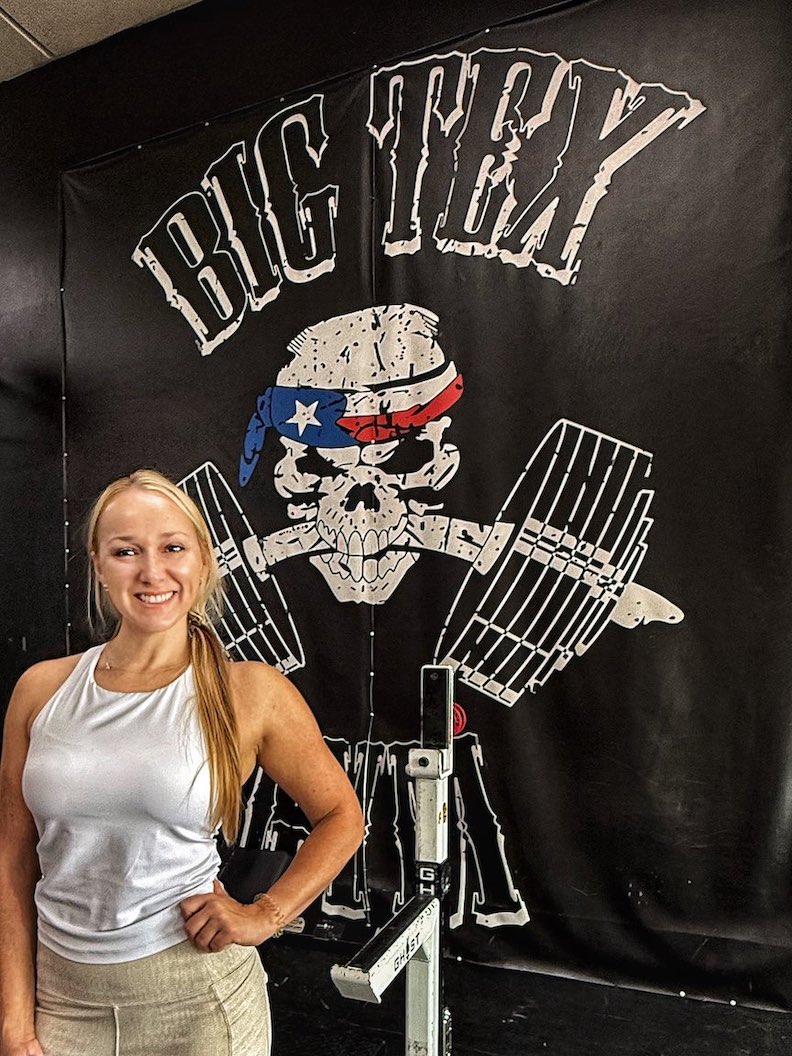
Training for Meets in Austin at Big Tex Gym
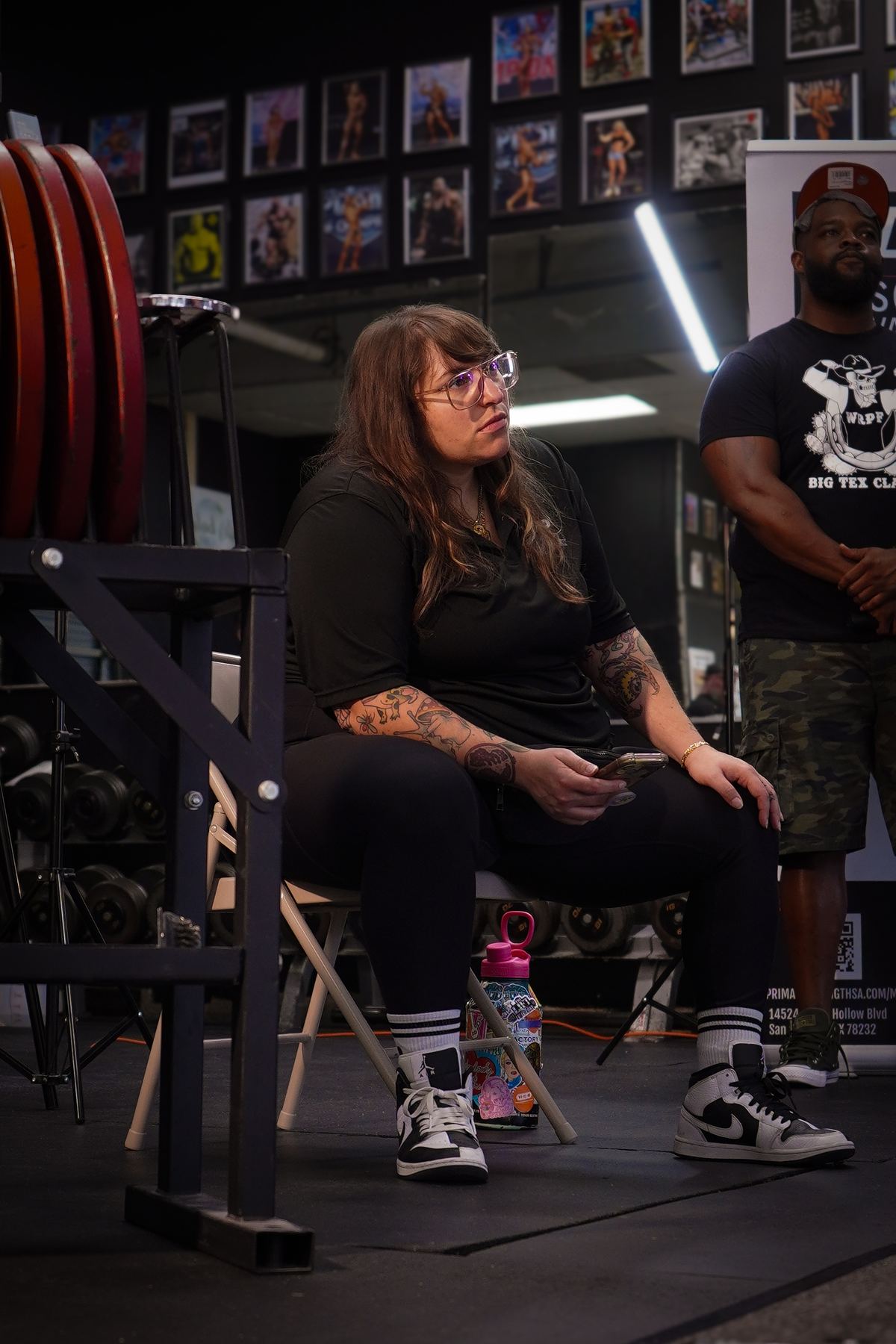
Big Tex Gym in Austin has hosted powerlifting competitions since 2017. The Big Tex Classic is one of the most established local meets in central Texas, and training here means you're around people who have been on the platform — coaches and members who can tell you exactly what the judging looks like from three feet away.
If you're prepping for your first meet and training at one of the best gyms in Austin, ask questions. The people around you have already made every first-meet mistake. Most of them are happy to help you skip a few.
The Honest Summary
Singlet, t-shirt, knee socks, chalk, whatever shoes you squat and deadlift in. That's a legal meet attempt at most federations.
The belt, the sleeves, the wraps — they matter more as the weights get heavier and the margins get thinner. For your first meet, clean technique with simple gear beats fancy equipment and sloppy positions every time.
Show up, open conservatively, go three for three, and get your total on the board. Everything else is details.
FAQ
Do I need to buy a singlet before my first powerlifting meet?
Yes — a singlet is required in all major raw federations. You can often find them secondhand in powerlifting Facebook groups or borrow one from your gym. Brands like Inzer, SBD, and A7 are common. Make sure it's approved for your specific federation.
What federation should I compete in for my first meet?
In Austin, USPA and RPS have a strong local presence and tend to be beginner-friendly. USAPL/IPF has stricter equipment rules but is the path to international competition if that's a long-term goal. For a first meet, pick whichever has an event closest to you with a good reputation.
Can I use a deadlift bar at a meet?
Depends on the federation and the meet director. Some meets use a deadlift bar, some use a stiff bar for all three lifts. Check in advance and ask your meet director. Train on both if you can.