Nutrition

Rob
IIFYM started as a useful idea. It pushed back against the obsessive "clean eating" culture that told people a bowl of oatmeal was virtuous and a piece of pizza was a moral failure. Flexible dieting — tracking macros and letting food choices be more open — gave a lot of people a healthier relationship with food.
That's the good part. Here's where it goes wrong.
When "Flexible" Becomes an Excuse
The theory behind IIFYM is solid: protein, carbs, and fat are the macronutrients your body uses for fuel and repair. If you hit your targets, your body doesn't care much whether the protein came from chicken or Greek yogurt.
In practice, most people use IIFYM as permission to eat whatever they want as long as the numbers technically work. And that's where it stops being a flexible diet and starts being a loophole.
A day of hitting your macros with ultra-processed food and a day of hitting your macros with whole food are not the same day. The scale might not know the difference. Your body does.
Here's what the numbers don't capture:
Micronutrients. Your macros tell you how much protein, fat, and carbs you ate. They say nothing about whether you got adequate magnesium, zinc, vitamin D, or iron. Deficiencies in these show up as poor recovery, low energy, disrupted sleep, and stalled progress — none of which will make sense if you're only looking at your macro spreadsheet.
Fiber. You can hit a 150g carb target entirely with processed food and almost zero fiber. Fiber affects gut health, satiety hormones, blood sugar stability, and how efficiently you absorb nutrients. A gut that isn't functioning well is a body that isn't recovering well.
Satiety. 500 calories of ultra-processed food and 500 calories of whole food do not produce the same hunger response. Processed food is engineered to be easy to overeat. People on IIFYM who wonder why they're always hungry despite hitting their numbers usually find the answer here.
Inflammation. Heavily processed seed oils, refined sugars, and additives drive chronic low-grade inflammation. In athletes and active people, chronic inflammation directly interferes with recovery. You can't train hard, eat inflammatory food, hit your macros, and then wonder why you feel beat up all the time.
The Progress Problem
IIFYM users who stall often share a pattern. The numbers look fine on paper. Training is consistent. Sleep is decent. But something isn't working.
The answer is usually food quality — not in a moralistic sense, but in a functional one. Your body is not just a machine that needs fuel. It's a machine that needs specific inputs to run well. Macros cover the fuel part. They don't cover the rest.
This is especially relevant for people training seriously. If you're lifting four or five days a week, your recovery demands are real. You need adequate micronutrients to support muscle protein synthesis. You need stable blood sugar to train with intensity. You need a functioning gut to absorb what you're eating. IIFYM tracks none of this.
What Actually Works
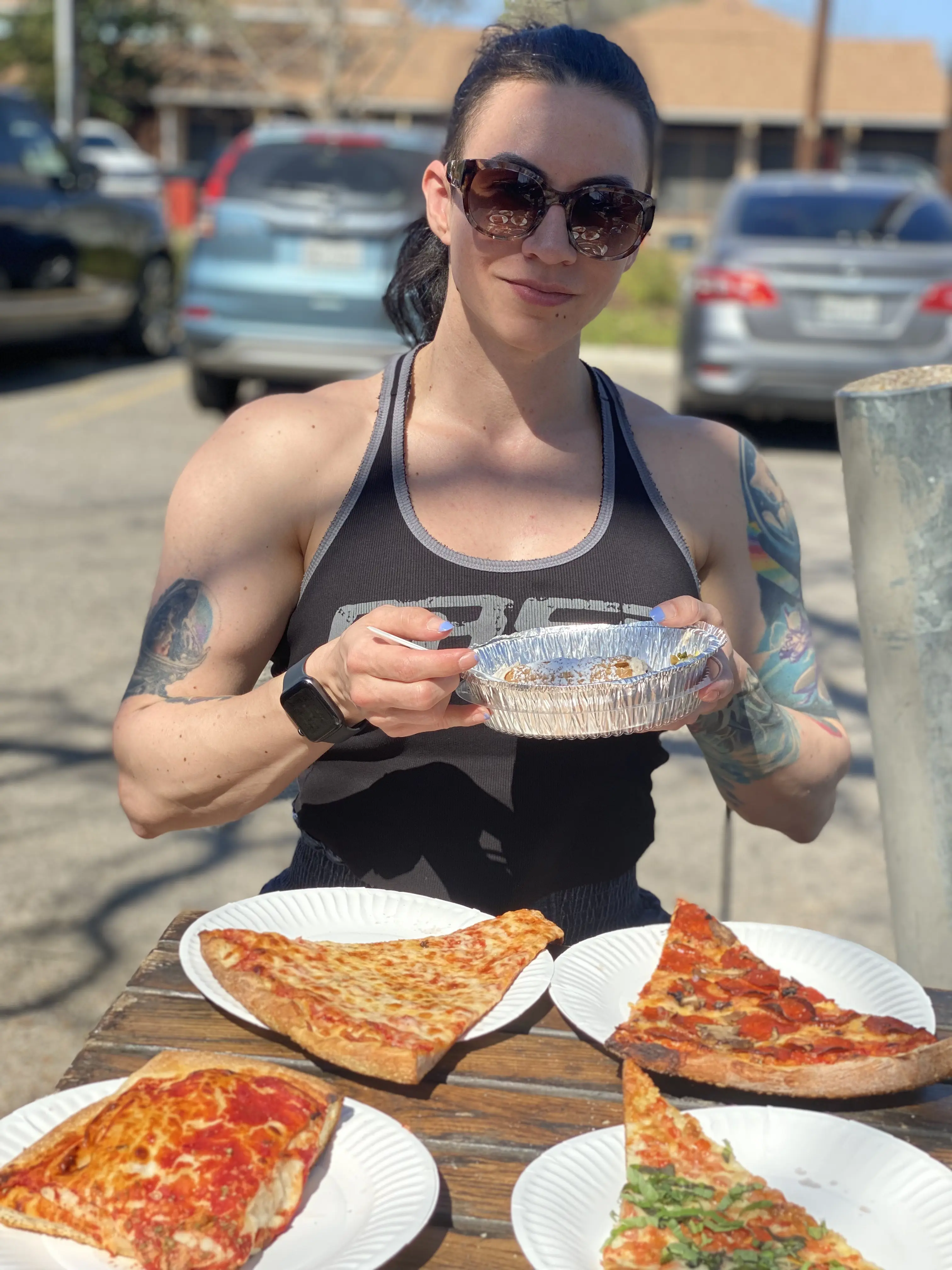
None of this means you can't eat pizza. Or that food has to be miserable and restrictive to support your training. It means food quality matters alongside the numbers — not instead of them.
A practical approach that holds up:
Hit your protein first. High-quality protein sources (meat, eggs, dairy, fish) tend to pull good micronutrients with them. Build the day around protein and the rest gets easier.
Eat mostly whole, minimally processed food. Not exclusively. Mostly. The 80/20 version of this is sustainable. The all-or-nothing version isn't.
Use IIFYM as a ceiling, not a floor. Tracking macros is genuinely useful for understanding what you're eating. The mistake is treating the number as the only thing that matters.
Notice how food makes you feel. Recovery, sleep quality, energy during training — these are feedback. If you're hitting your macros and still feel rough, the macros aren't the whole story.
The Honest Version of Flexible Dieting
Flexible dieting works. Genuinely. But "flexible" was supposed to mean you don't have to eat the same six foods every day — not that food quality is irrelevant.
The athletes who make the most consistent progress over years aren't eating perfectly. They're eating well most of the time, staying consistent, and not using a tracking app as a permission slip for a diet built on processed food.
The numbers matter. So does what's behind them.
FAQ
Is IIFYM a bad diet approach?
No — tracking macros is a useful tool and flexible dieting is more sustainable than rigid clean eating for most people. The problem is when macro tracking becomes the only thing people optimize for, while ignoring food quality, micronutrients, and how food actually affects recovery and performance.
Can I still eat "fun" food and make progress?
Yes. The issue isn't occasional pizza or ice cream. It's building an entire diet around processed food that technically hits macro targets. Context and proportion matter more than any single food choice.
How do I know if food quality is affecting my training?
Track your recovery quality, not just your macros. If you're consistently sore longer than expected, sleeping poorly, low energy in training, or not progressing despite consistent effort — look at what's actually in your diet, not just the numbers.